


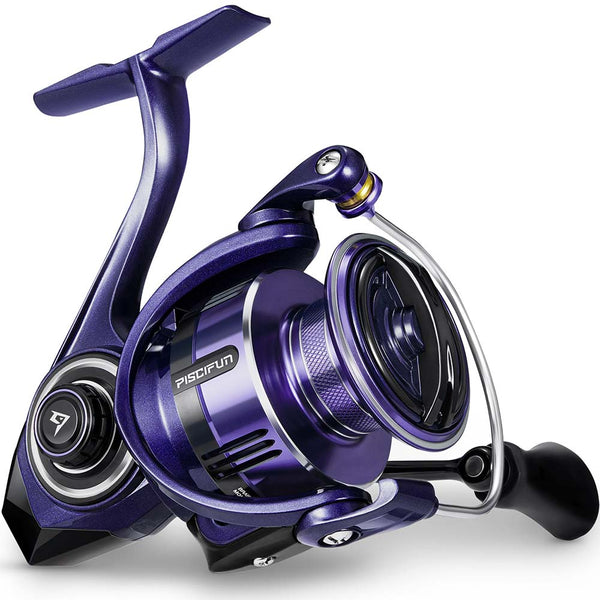


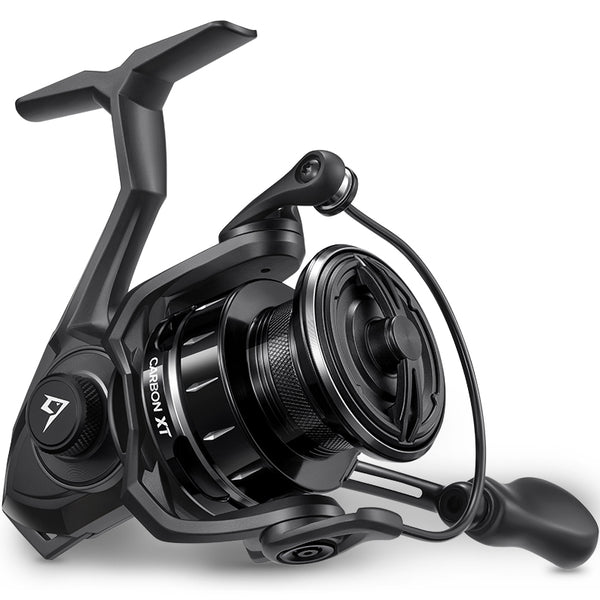

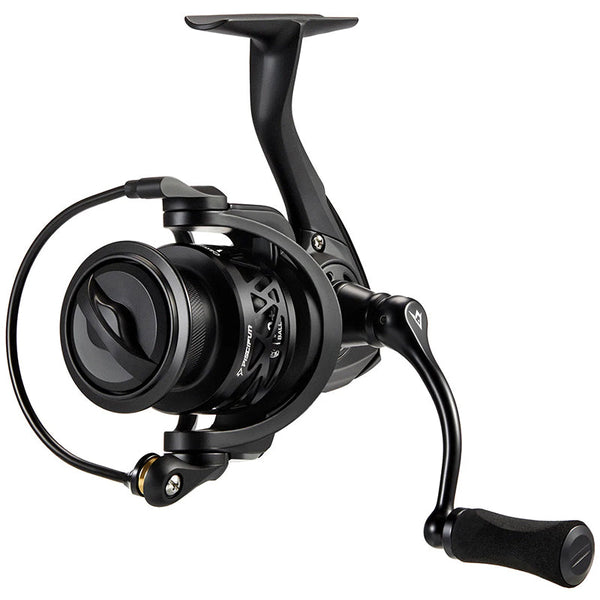
other fishing gear
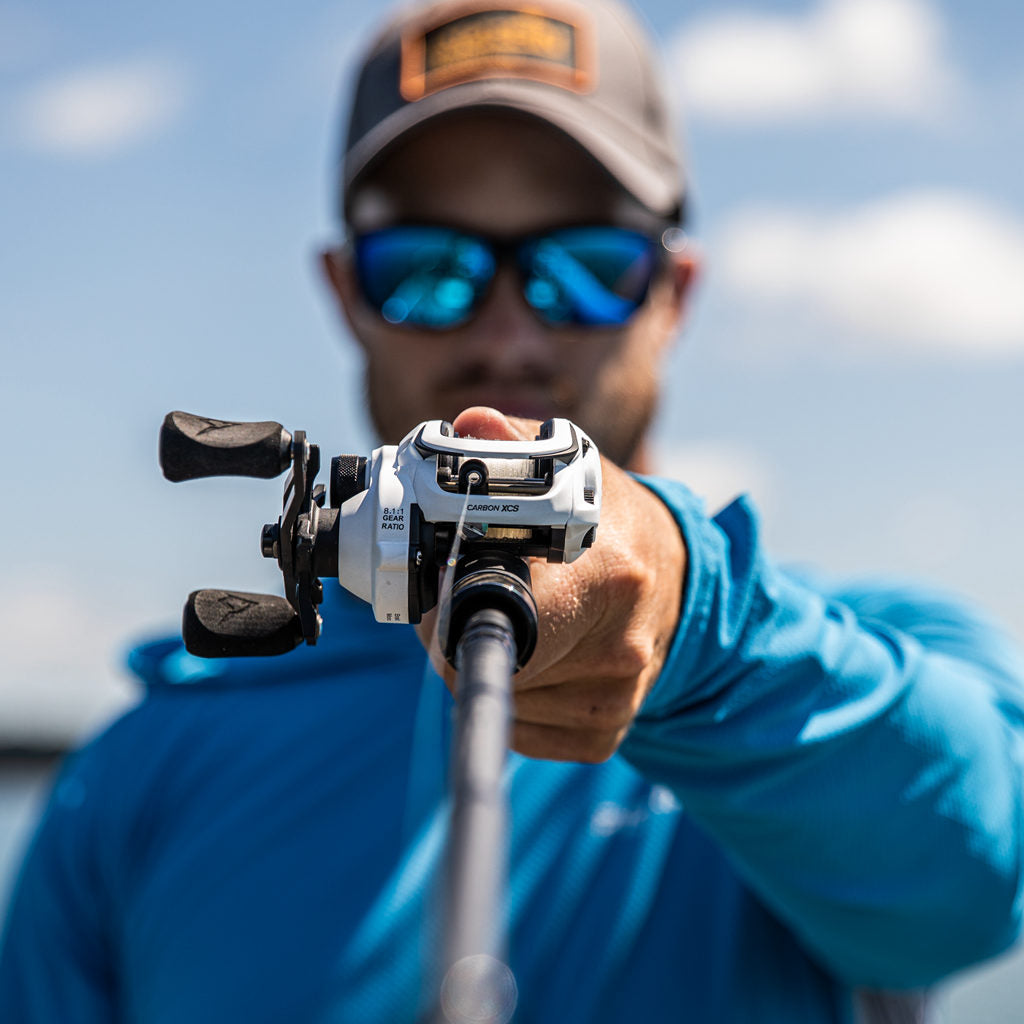

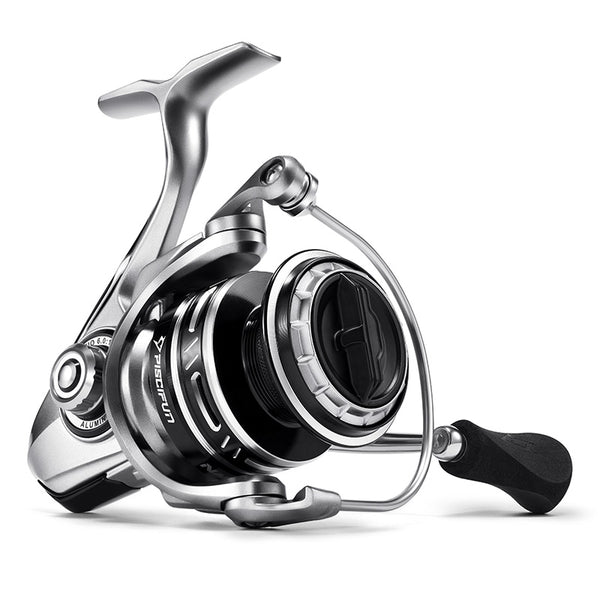
Carbon X Spinning Reel
Model 2000
Bearings 10+1
Gear Ratio 6.2:1
Weight 7.8 oz
Freshwater Fishing
Carbon fiber body and rotor
$66.99

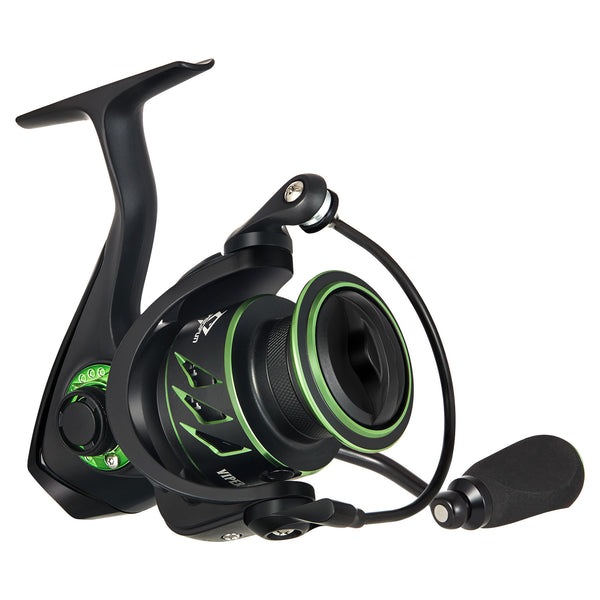
Carbon X2 Spinning Reel
Model 2000
Bearings 10+1
Gear Ratio 6.2:1
Weight 7.2 oz
Freshwater Fishing
Carbon fiber body and rotor
$76.99

Carbon X3 Spinning Reel
Model 2000
Bearings 8+1
Gear Ratio 6.0:1
Weight 5.6 oz
Freshwater Fishing
Carbon fiber body, rotor, and handle
$99.99

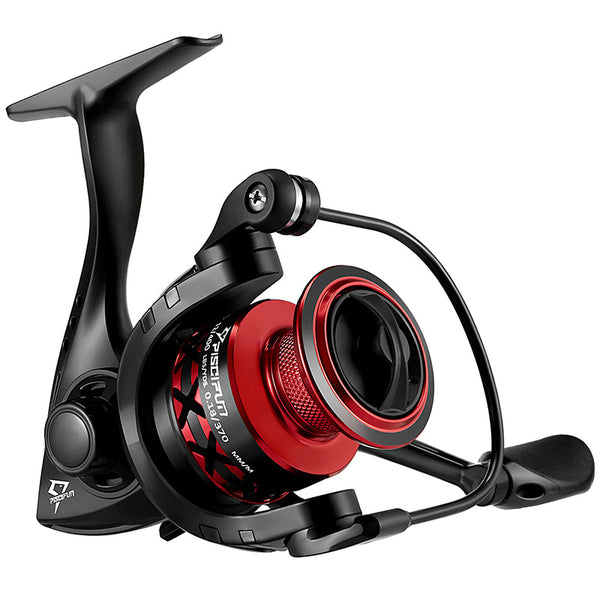
Carbon XT Spinning Reel
Model 2000
Bearings 8+1
Gear Ratio 5.2:1
Weight 6.7 oz
Freshwater Fishing
Carbon fiber body, and rotor
$64.99

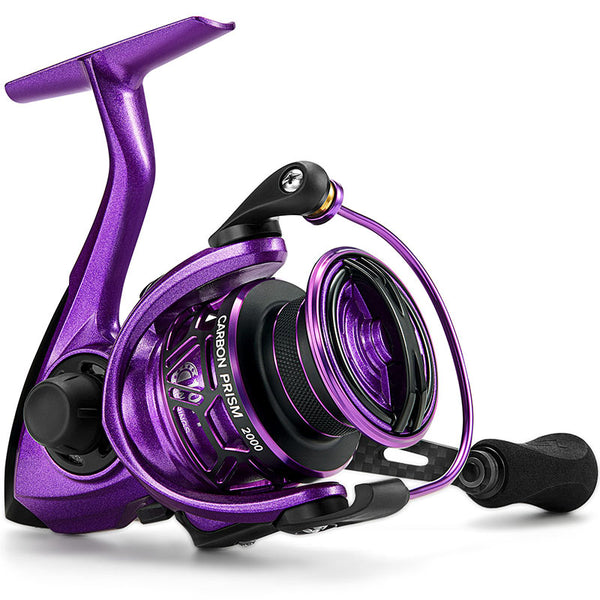
Carbon Prism Spinning Reel
Model 2000
Bearings 10+1
Gear Ratio 6.2:1
Weight 7.2 oz
Freshwater Fishing
Carbon fiber body, rotor, and handle
$79.99
LEARN MORE ABOUT FISHING REELS
Buyers Guide for Spinning Reels
Spinning reels are one of the most popular choices in fishing because they are easy to use, versatile, and effective for both beginners and experienced anglers. If you are comparing spinning fishing reels, spinning fishing reels for sale, or even the best spinning fishing reels for your next setup, it helps to understand the features that have the biggest impact on comfort and performance. The right spinning reel depends on where you fish, what species you target, and whether you need a reel for freshwater or saltwater use.
How to Choose the Right Spinning Reel
When shopping for spinning reels, start by identifying your fishing style. A reel for ultralight trout fishing will be very different from one built for bass, catfish, or inshore species. Some anglers are looking for a spinning reel combo, while others want to match a reel with a specific spinning reel rod for better balance and sensitivity. The main features to compare are reel size, weight, line capacity, gear ratio, ball bearings, materials, and drag system.
Choose the Right Reel Size
Spinning reels commonly range from 500 to 6000 and above. In general, the higher the size number, the larger the reel and the bigger the fish it can handle.
- A 500 or 1000 size reel is ideal for small streams, trout, panfish, and ultralight fishing.
- A 2000 or 3000 size reel is great for bass, walleye, catfish, and all-around freshwater fishing.
- A 4000 size reel and above is better for larger freshwater species, pike, musky, and many saltwater applications.
If you are searching for the best spinning reel for bass, a 2000 or 3000 size reel is often the most practical starting point because it offers a strong balance of casting comfort, line capacity, and fish-fighting control.
Why Reel Weight Matters
Weight is one of the most overlooked factors when choosing a spinning reel. A heavy reel can create fatigue during long fishing sessions, while a lighter reel improves rod balance and reduces strain on your wrist and arm. That is why many anglers compare recommended spinning reels and top spinning reels by how comfortable they feel over a full day on the water, not just by power or size.
Understanding Line Capacity
Line capacity tells you how much line a reel can hold, but the real value depends on the type of line you plan to use. Heavier mono, fluorocarbon, or braid will affect how much line fits on the spool. Smaller freshwater setups may need only moderate capacity, while larger species and saltwater spinning fishing reels often require more line.
When evaluating spinning fishing reels for sale, always check line capacity based on the actual line strength and style you intend to fish, rather than relying only on the reel size label.
Understanding Gear Ratio
Gear ratio tells you how many times the spool rotates with one full turn of the handle. Common spinning reel gear ratios include 5.2:1 and 6.2:1.
Lower Gear Ratios
Lower ratios usually provide more cranking power and can be useful for techniques that require control and torque.
Higher Gear Ratios
Higher ratios retrieve line faster, making it easier to remove slack and work lures more quickly. This can be especially helpful when fishing reaction baits or when anglers want quicker line pickup from their spinning fishing reels.
The best gear ratio depends on your fishing style, target species, and presentation.
Why Ball Bearings Matter
Many anglers compare reels by looking at the number of ball bearings, but quality matters as much as quantity. A reel with durable, well-placed bearings can feel smoother and last longer than one with a higher count but lower-quality components.
When choosing the best spinning fishing reels, pay attention to overall smoothness, long-term durability, and build quality rather than focusing only on bearing numbers.
Best Materials for Spinning Reels
Materials have a direct effect on reel weight, strength, and corrosion resistance. Common materials include aluminum, carbon fiber, and graphite.
Aluminum
Aluminum is strong and rigid, making it a good choice for anglers who want durability and more power.
Carbon Fiber and Graphite
Carbon fiber and graphite are often used to reduce weight, which helps create lightweight setups and improves comfort for anglers who fish often with spinning fishing reels.
Saltwater Considerations
Saltwater spinning fishing reels should use corrosion-resistant materials and strong internal components to handle exposure to salt and moisture. If you fish both freshwater and inshore environments, this becomes one of the most important features to compare.
Why Drag Performance Is Important
A quality drag system helps you control powerful fish and protect lighter line. Smooth, consistent drag pressure is especially important when fighting fish that make sudden runs.
Some anglers also prefer a bait feeder spinning reel because it offers additional line tension control. Regardless of reel style, strong drag performance is one of the most important features to evaluate when comparing top spinning reels and recommended spinning reels.
Basic Spinning Reel Tips for Better Performance
Even the best reel performs poorly if it is not set up correctly. Learning how to spool a spinning reel, how to put line on a spinning reel, and how to cast a spinning reel can make a major difference in casting distance, line management, and overall fishing success. Proper setup helps reduce line twist, improves lure presentation, and allows your reel to perform the way it was designed to.
Final Thoughts
The best spinning reel is the one that fits your target species, rod, and fishing style. Size, weight, line capacity, gear ratio, materials, and drag all work together to affect performance. If you take the time to compare spinning fishing reels, best spinning fishing reels, and spinning fishing reels for sale with your real fishing needs in mind, you will have a much better chance of choosing a reel that feels comfortable, performs smoothly, and helps you fish more effectively.
Spinning Reels' FAQ
How to use a spinning reel?
FAMILIARIZE YOURSELF WITH THE REEL:
Take some time to understand the different components of the spinning reel, such as the bail, handle, drag adjustment, and spool.
SPOOL THE REEL:
Start by attaching the fishing line to the spool. Open the bail and wrap the line around the spool a few times. Then, close the bail and secure the line with a knot or a line clip.
ADJUST THE DRAG:
Locate the drag adjustment knob on the reel, which allows you to set the resistance when a fish pulls on the line. Adjust it according to the fishing conditions and the size of the fish you expect to catch.
HOLD THE ROD AND REEL:
Grasp the fishing rod handle with one hand, ensuring a comfortable and secure grip. Hold the spinning reel with your other hand, placing your fingers on the reel's handle.
CAST THE LINE:
Hold the fishing rod at a slight angle and use your index finger to hold the line against the rod. With a quick flick of the wrist, release your finger to allow the line to come off the spool and propel the bait or lure forward. Practice casting to improve accuracy and distance.
RETRIEVE THE LINE:
Turn the handle of the spinning reel to retrieve the line. Adjust the speed of retrieval based on your fishing technique and the behavior of the fish.
ENGAGE THE BAIL:
Flip the bail back to its original position after retrieving the line. This action ensures that the line remains securely wrapped around the spool.
SET THE HOOK:
When you feel a fish biting or pulling on the line, quickly jerk the rod upward to set the hook firmly in the fish's mouth. It will help secure the catch.
Remember, practice and experience are key to becoming proficient with a spinning reel. Experiment with different techniques, adapt to different fishing conditions and always follow the local fishing regulations and guidelines.
What spinning reel size should I choose?
A 1000 spinning reel is great for ultralight fishing, while 2000 and 3000 sizes are better for bass and all-around freshwater fishing.
Are Piscifun spinning reels good for beginners?
Yes, Piscifun spinning reels are easy to use, smooth on the retrieve, and suitable for both beginners and experienced anglers.
Why choose a Piscifun spinning reel?
Piscifun spinning reels combine lightweight comfort, smooth drag, and strong value for freshwater and saltwater anglers.
Why is Piscifun Carbon X series reel so popular?
Piscifun Carbon X series reel is popular because it offers lightweight handling, smooth operation, and dependable performance at a great value.
Who should choose Carbon X series spinning reels?
Carbon X series spinning reel is ideal for anglers who want an ultralight spinning reel for finesse fishing and all-day comfort.
Does Piscifun have a saltwater spinning reel option?
Yes, Piscifun NautiX spinning reel is a great choice for anglers who want a saltwater spinning reel from the Piscifun lineup.

Technical Review: Piscifun The Ultimate Fishing Jacket for Real-world Conditions

Best Ultralight Spinning Reel Upgrade Carbon X III vs Carbon X II and Carbon X

Review – LumiCat II Rod and Chaos Pro

Reel Review: Carbon X II 3000 by Piscifun

Piscifun AlumiX Reel Review: Ultralight, Ultra Strong, and Ultra Casts
